
Explore CRA Coverage in Your State
Interactive maps now live
See how many banks are incentivized to invest in your community—and how changes could affect investment.
The Community Reinvestment Act is a powerful tool, but often goes unknown in local communities. It incentivizes billions of dollars in private investment into low- and moderate-income neighborhoods every year. However, the impact of CRA depends on which banks are incentivized to provide capital to communities—and where.
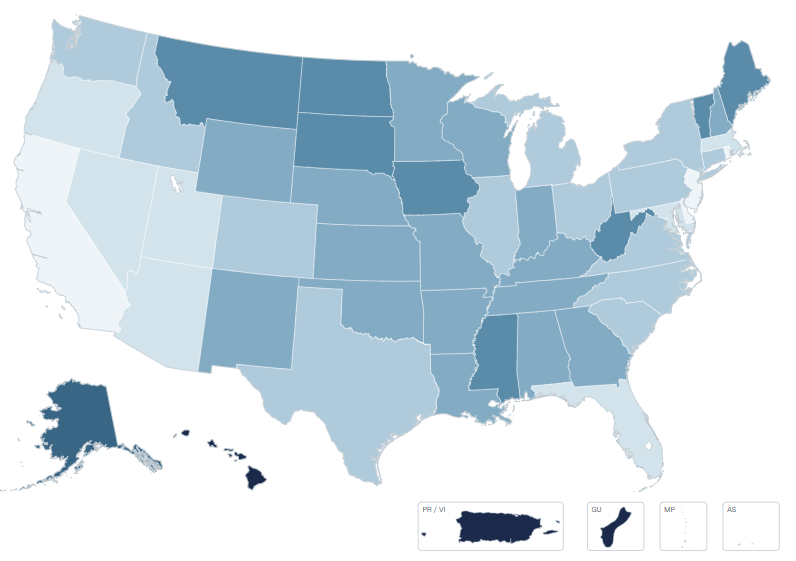
Today, NAAHL and FairPlay AI have published interactive maps at naahl.org/cra that make local CRA coverage visible, showing where banks are actively incentivized to support affordable housing and community development and where coverage is thin or absent.
With federal agencies considering updates to the CRA framework, these maps are an important tool to understand the housing and community development impact nationwide and in your neighborhood.
What the Maps Show
The interactive maps allow you to explore CRA coverage across all 50 states, including:
How many banks in your state are currently incentivized to make community development loans and investments
Which communities have thin coverage from banks with community development incentives (only 1-5 banks) or no coverage from these banks at all ("community development deserts")
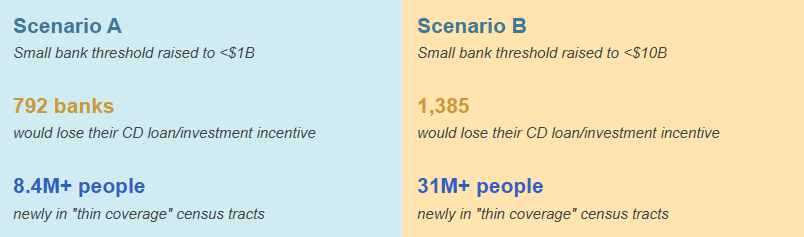
How coverage would shift as the definitions of small, intermediate, and large banks change
Which communities could lose coverage from banks with CRA incentives
A National Picture
Comment Deadline: October 13
The public comment period for the OCC and the FDIC’s proposed CRA rule closes this Tuesday, October 13, 2026. Comments can be filed directly at regulations.gov (Docket ID: OCC-2026-0694).